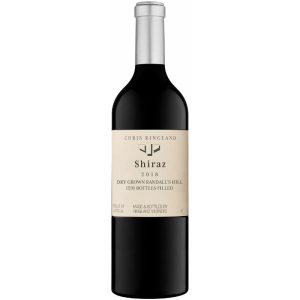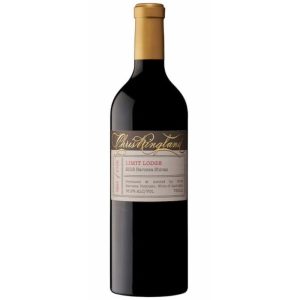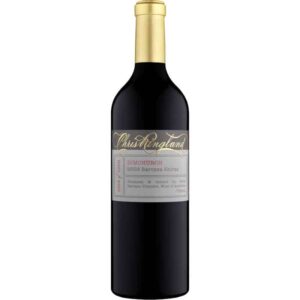

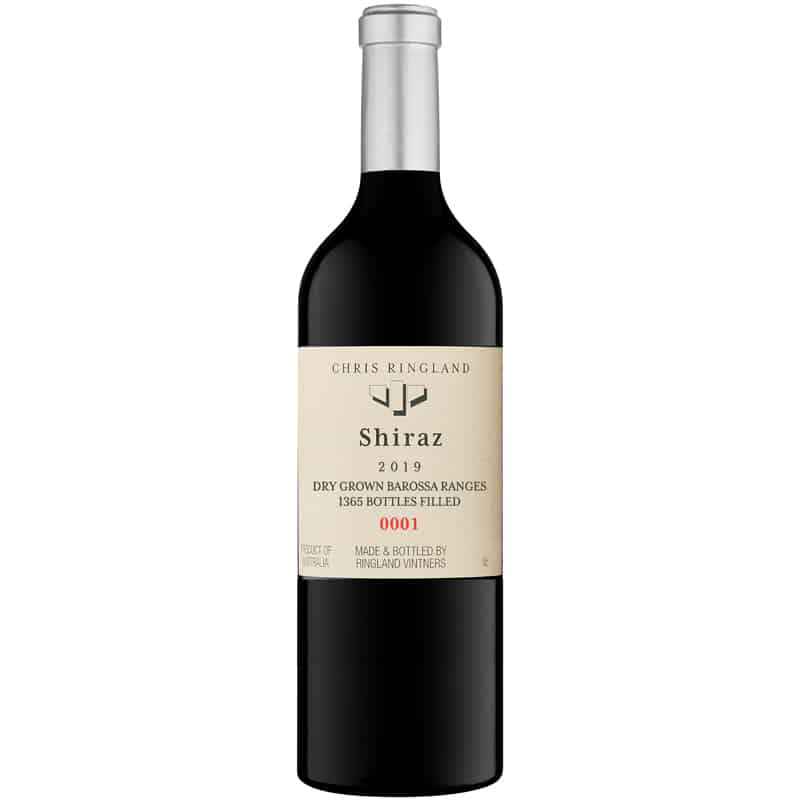
2019 Chris Ringland Dry Grown Barossa Ranges Shiraz
A truly classic Barossa Ranges year.
I made only one wine from my vineyard in 2019. Tiny berries and a tiny yield gave a massively intense wine that needed over 5 years in barrel.
AU$950.00
In stock
More Information
I have been making wine for nearly 40 years. With that amount of practice you inevitably develop an understanding about what the process involves. I have chosen a field of specialisation, partly due to opportunity and also with the desire to create the type of wine that I like. The type of wine that inspires me to do better.
The big turning point in my winemaking journey occurred when I was able to purchase my own vineyard. Even though I had studied viticulture at uni, this was by no means a comprehensive preparation for the reality of owning a hillside of plants; a plot from which I was determined to forge a living.
Weather ceased to be a thing that played along in the background of my everyday. Living on the vineyard, I rapidly learned to read the daily variations, measuring rainfall and temperature. Carefully following forecasts. Aside from the baseline parameters imposed by the vineyard itself; soil, site, grape variety, vine age, trellis system and pruning technique, wine made from an individual site is the sum-total of the peculiarities of the weather over a yearly cycle. There’s so much that you can’t control. You rapidly learn to live with the gentle anxiety that this creates.
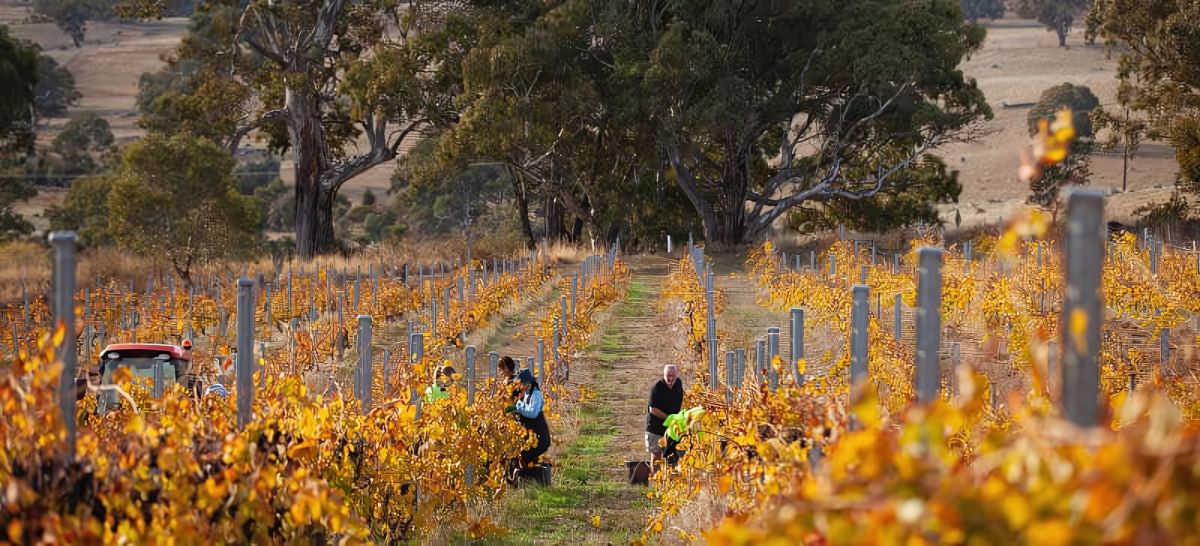
The only healthy solution is to ‘go with the flow’. During the growing season, various weather events will dictate the need to intervene with disease control measures. At a site such as Stone Chimney Creek (500m), which has never needed irrigation, gaining an understanding about now the seasonal rainfall pattern relates to previous seasons becomes very important.
As of 2026, I have been looking after these Shiraz vines for over 30 years. It is now very rewarding to look back and compare weather conditions, and to explore the way that the wines convey this link.
Some years have been beautiful, calm and predictable. Some years have been temperamental, complicated and difficult. Some very promising seasons have turned ugly. Some difficult seasons have miraculously resolved to produce magnificent, unexpected outcomes. Some years have been dominated by sleepless nights with bouts of worse-case-scenario paranoia. Either way, I have learned that wine has the annoying habit of making a mockery of your predictions.
Some complicated years can produce unexpectedly beautiful wines and you have to grudgingly develop a fondness for them. 2019 is one of these years.
I micro vinify my 1.4ha Shiraz vineyard with sometimes up to 10 small fermentations producing up to three wines but in 2019, small berries and a tiny crop load gave only one, powerful and focused Barossa Ranges Shiraz with a yield of only 8.5hl per hectare. Matured in new French barriques and cigars, the wine spent 66 months in oak prior to bottling.
Harvest date : 15 April
Yield : 2.05 tonnes
Bottled : 24 October 2024
Alc : 17.9%
Bottles filled :
1365 Bottles
50 Magnums
18 Double Magnums
4 Imperials
The Winter of 2018 was lower rainfall than average in Flaxman Valley. This, combined with the higher than average yield for the 2018 vintage, produced a significantly lower yield on the vines for the 2019 vintage. The weather conditions during the build up to the 2019 vintage were excellent. The Shiraz at my Stone Chimney Creek Road vineyard developed incredibly concentrated flavours and impeccably rich, ripe tannins. The flavours came into full maturity for harvest in mid-April.
I created the three rivers label chevron design in 1990, when I was planning to release the first vintage of three rivers, the 1989. I wanted a simple, classic label that conveyed the basic information, grape variety, vintage, together with mandatory information such as volume and alcohol level.
My inspiration was Bordeaux labels. The chevron was created in a painting that I made that same year. the inspiration from an air show that I attended in Salinas, California, while I was working vintage at Mirrasou Vineyards near San Jose in 1987.
You may also like
You may also like

Out of stock